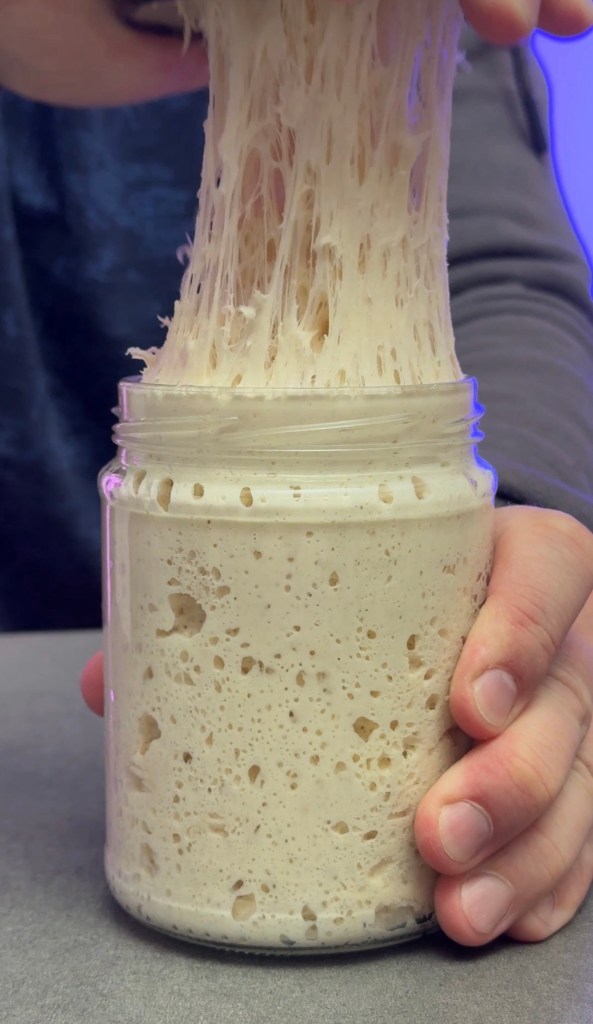
Sourdough Starter Showdown: Which One is Right for You?
You’ve decided to embark on your sourdough journey, and the key ingredient for this is a bread starter. As you browse through online forums, watch YouTube tutorials, and explore various websites, you’ll come across three main types of sourdough starters: rye, wheat, and gluten-free. The idea is fairly straightforward—rye starters are made with rye flour, wheat starters with wheat flour, and gluten-free starters with flours like rice, corn, or buckwheat, among others. I won’t be covering gluten-free starters here, as that’s a separate topic.
When you’re standing in front of the flour aisle at the store, it’s easy to feel overwhelmed by all the options. You’ll quickly notice that both wheat and rye flours are available in white and whole grain varieties. White flour is finely milled, with the bran (the outer layer of the grain) removed. In whole grain flour, the bran is milled along with the rest of the grain, retaining its full nutritional value.
So, which is better? Which type of flour should you use for your bread starter? Let’s take a quick look at the different options:
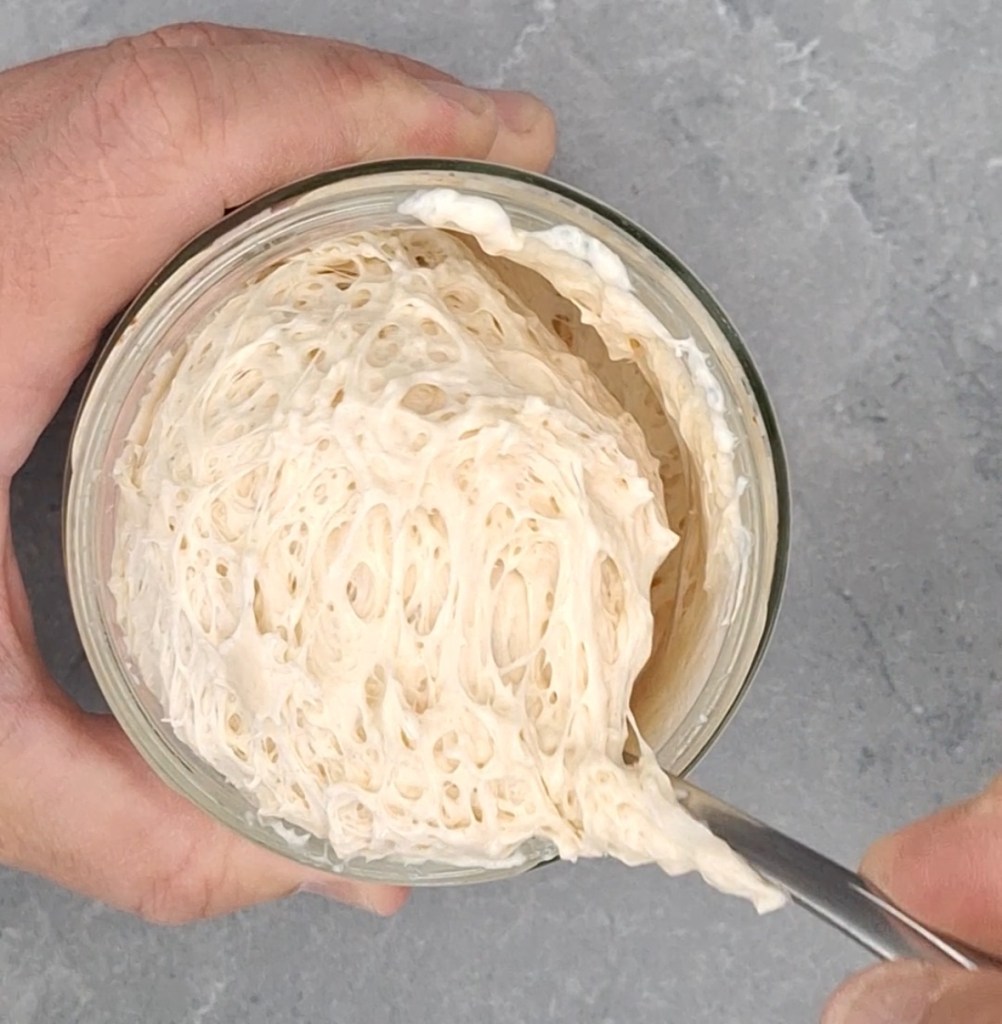
Wheat Flour Starter:
A starter made from white wheat flour is easy to manage. It tends to grow quickly and is resistant to lower temperatures, making it ideal for storage in the fridge. The growth rate of the starter increases with temperature. If you keep it warm at around 26°C (79°F), it can triple in volume within a matter of minutes.
To keep the starter active, it’s best to feed it twice a day using the 1:1:1 method (equal parts starter, flour, and water) and maintain a temperature of around 20°C (68°F). A good practice to strengthen the wheat starter is to keep it in a slightly warmer environment (around 24°C or 75°F) for the first hour after feeding. However, the temperature shouldn’t be too high, and the time not too long, as this will accelerate the fermentation process, causing the starter to mature too quickly and require feeding again sooner.
For people who bake less frequently, the good news is that wheat starters store very well in the fridge. Once active and fed, they can easily last in the fridge for up to two weeks.
Flavor of Wheat Starter:
Wheat starters have a mild flavor and aroma. The higher the temperature in which the starter is kept, the more pronounced the flavor of the bread will be. This type of starter works great for wheat breads, loaf breads, pizza, ciabatta, pancakes, and sweet baked goods.
It’s important to note that when choosing white flour, always opt for flour specifically intended for bread-making, which is usually labeled on the packaging. Look for flours with the highest protein content. While all-purpose flour will work for the starter itself, bread flour has better water absorption.
Summary in bullet points, highlighting the strengths and weaknesses of the wheat flour sourdough starter:
Strengths:
- Low temperature requirements; thrives in cooler conditions.
- Can be fed with all-purpose flour, though bread flour is ideal.
- Rapid growth rate, with a large increase in volume.
- Stores well in the fridge, maintaining activity for up to two weeks.
- Easy to manage, making it suitable for beginners.
Weaknesses:
- Fast growth may require frequent feedings to maintain activity.
- Contains gluten, unsuitable for people with gluten allergies or sensitivities.
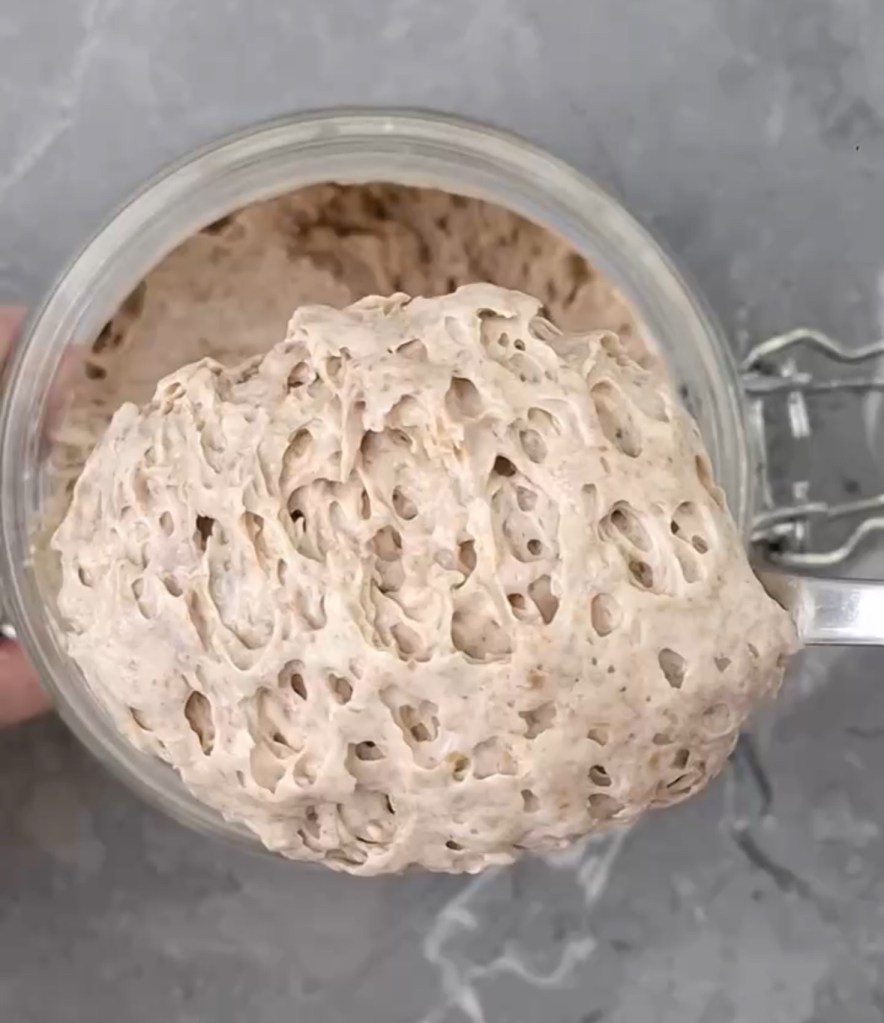
Rye Sourdough Starter from White Rye Flour
Rye flour is completely different from wheat flour, mainly due to its unique gluten structure. It’s often said that rye flour is healthier because it doesn’t contain gluten. This is not true; rye flour does contain gluten, but its structure is different from that of wheat gluten. As a result, people with gluten sensitivity often notice significant improvements when switching to rye products.
Sourdough made from rye flour has a stronger, more pronounced flavor. It also grows more slowly, allowing it to be fed just once a day. To keep your rye sourdough active and ready for use in recipes, it should be stored at a temperature of around 27-29°C. However, if you’re only feeding the starter daily using the 1:1:1 method, a temperature of around 24°C will be ideal for the first hour after feeding.
A well-fed rye sourdough starter, when given consistent care and kept at a warm temperature, becomes very resilient and can tolerate many baking mistakes. It can be stored in the refrigerator when not in use, but make sure to feed it first. Before placing it in the fridge, allow it to warm up at room temperature for about 45 minutes.
Strengths:
•Strong and Resilient: A rye sourdough starter is robust and can tolerate baking mistakes well.
• Longer Peak Activity: It maintains its strength for a longer period compared to wheat-based starters, meaning its peak activity lasts longer.
Weaknesses:
• Requires Higher Temperatures: Rye sourdough needs a warmer environment to thrive, which may require more attention.
• Less Fridge-Friendly: It doesn’t handle refrigeration as well as wheat starters, meaning more care is needed when storing it.
• More Intense Flavor: Rye sourdough has a stronger, more pronounced taste, which might not appeal to everyone.
Wholemeal Flours:
Both rye and wheat flours are available as wholemeal flour. In these flours, the entire grain is milled, including the outer bran layer. As a result, these flours are richer in nutrients and fiber, which is a significant dietary advantage. Additionally, the enzymes found in the bran help stimulate fermentation in the sourdough.
On the downside, though some may consider it a benefit, the flavor of the bread becomes more intense with a higher percentage of wholemeal flour. The crumb structure will also tend to feel denser.
Both wholemeal rye and wheat flours are excellent for maintaining a sourdough starter. However, it’s important to remember that wholemeal flour absorbs more water than white flour, so you’ll need to adjust by adding a bit more water.
Mixed Sourdough Starters:
Another way to maintain a sourdough starter is by mixing different types of flour. For example, you can combine white rye with wholemeal rye. This type of starter will be strong but have a lighter structure than one made entirely with wholemeal rye. I also often make a starter based on white wheat flour with the addition of wholemeal rye. This starter grows well and retains its strength for a long time.
I encourage you to experiment with sourdough starters, mixing different flours until you find your preferred starter that thrives in your kitchen.
The variety of sourdough starters is vast, and we can make all sorts of them. I can’t discuss them all. The most important thing is for the starter to be strong, active, and regularly fed. Everyone needs to find a starter that suits them, the conditions in their kitchen or room (temperature), as well as their lifestyle (work, the ability to feed the starter).
If you haven’t yet decided which starter to choose, a good starting point is a sourdough based on white bread flour mixed 50:50 with wholemeal rye flour. This type of starter combines the strength and longevity of rye sourdough with good growth and tolerance to lower temperatures.
Remember that the fundamental element in baking sourdough bread is the starter itself. An active starter is the first important step in the process of making and baking homemade bread. A good, strong, and active starter will help you minimize mistakes that, as a beginner, you are bound to make. The most important thing is not to give up and to learn from each baking attempt. Only those who do nothing never make mistakes. Bake, observe, draw conclusions, and keep learning.
 Baking Passion